How a Southern Restaurant in Pittsburgh, PA Redefines Comfort Food
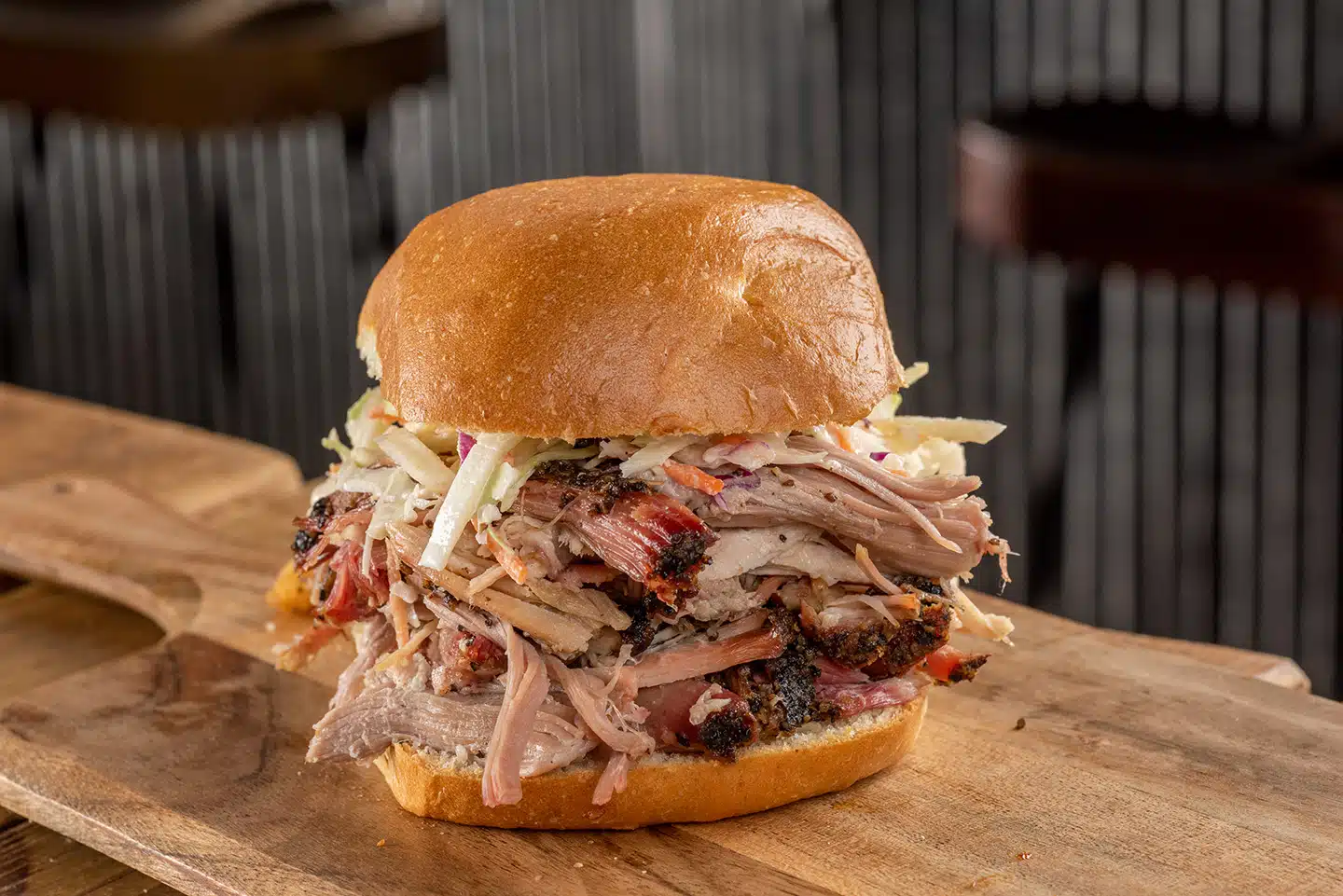
Comfort food is easy to oversimplify. People talk about it as if it were a fixed menu of familiar dishes, plated the same way in every city and measured mostly by nostalgia. That misses the point. Real comfort food is less about replication and more about recognition. It should feel generous without being sloppy, grounded without being dull, and familiar while still giving a guest a reason to come back. When a southern restaurant in Pittsburgh, PA gets that balance right, it does more than serve fried chicken and biscuits. It reframes what comfort food can mean in a city with its own strong food traditions.
Pittsburgh is a place that respects substance. Diners here tend to value meals with weight, both literal and cultural. They know the difference between food that is merely rich and food that has been thought through. That makes Pittsburgh an especially interesting home for Southern cooking. The city is not trying to imitate Charleston, Nashville, or New Orleans. It has its own weather, pace, neighborhoods, and dining habits. A Southern restaurant that succeeds here usually does so by understanding both sides of the equation. It honors Southern culinary logic while responding to the expectations of Western Pennsylvania diners.
That combination can produce something more interesting than a regional copy. It can produce a new standard for comfort.
Comfort food is changing, and diners can taste the difference
A decade or two ago, comfort food often meant quantity first, nuance second. Big portions, heavy sauces, soft textures, and a fair amount of salt could carry a plate a long way. That style still has its place, especially on a cold evening when nothing sounds better than mac and cheese or braised greens. But diners have become more attentive. They still want warmth and generosity, yet they also expect contrast, clarity, and better execution.
You can see this shift in how people talk about a meal after they leave. They are less likely to say only that it was filling. They talk about the crust on the chicken, whether the biscuit was layered instead of dense, whether the hot sauce cut through the richness instead of flattening it. They notice if the collards hold their shape, if the grits taste like corn instead of only butter, if the sweetness in a dessert has restraint. These details matter because comfort food has matured as a category. It is no longer protected from critique just because it is sentimental.
That is where a strong Southern kitchen can stand out. Southern cooking has always had more technical depth than outsiders sometimes credit it for. Proper frying takes judgment. So do biscuit dough, roux-based gravies, braises, and smoked meats. Balancing acid, heat, sweetness, and fat is part of the tradition, not a modern correction to it. In a city like Pittsburgh, where diners appreciate honest food but increasingly expect polish, that skill set lands well.
Why Southern food belongs in Pittsburgh
On paper, Southern cuisine and Pittsburgh cuisine can look like distant cousins that grew up in different households. One carries stories of Lowcountry rice, Appalachian preservation, downtown Pittsburgh Southern restaurant Delta catfish, Gulf seafood, and generations of Black culinary influence. The other is shaped by immigrant labor, mill-town practicality, church kitchens, and a climate that asks for hearty eating through much of the year. Yet they meet in a shared respect for resourcefulness, long cooking, and meals that are meant to satisfy more than a passing appetite.
That overlap matters. Southern food does not arrive in Pittsburgh as an exotic novelty. It arrives with enough common language to feel legible right away. Greens, beans, cornbread, roasted meats, gravies, and pies are not foreign concepts here. What changes is the seasoning logic, the texture profile, and the emotional register. Southern food often carries a brighter rhythm than outsiders expect. Vinegar, pepper, smoke, pickled vegetables, and spice create movement across a plate. The meal may be rich, but it should not feel static.
In Pittsburgh, that energy can be a revelation. A diner accustomed to heavy comfort food may suddenly notice how a sharp chow chow, a spoonful of pepper vinegar, or a restrained but deeply savory gravy can make the entire meal feel lighter without making it any less comforting. That is one of the most important ways a southern restaurant in Pittsburgh, PA can redefine expectations. It teaches that comfort does not have to mean monotony.
Technique matters more than theme
Restaurants sometimes make the mistake of treating Southern cuisine like a visual concept. Mason jars appear. Rustic wood appears. Script fonts appear. Then the food arrives and tastes like a costume. Guests might forgive that once, but not twice.
The kitchens that last take a different approach. They build comfort through technique rather than décor. Fried chicken is a useful test case. Good fried chicken is not simply crunchy. The crust must adhere, the seasoning must reach the meat, and the interior must stay juicy without seeming greasy. If the oil is off by a few degrees, or if the dredge is unbalanced, or if the chicken sits too long before service, the result loses its appeal fast. That is true whether you are cooking in Birmingham, Savannah, or Pittsburgh.
The same standard applies across the menu. Shrimp and grits should not read like shrimp perched on anonymous starch. The grits need body and grain character. The shrimp need a precise cook, not one extra minute. Biscuits should break open in tender layers rather than crumble into dust or bounce back like bread rolls. Braised meats should hold together without turning stringy. Banana pudding should feel cool, creamy, and slightly playful, not sugary and inert.
This is where many restaurants either elevate comfort food or reduce it to a caricature. Skilled Southern cooking is disciplined. It is generous, yes, but it is also exacting. Pittsburgh diners respond to that seriousness. They can tell when a restaurant respects the food enough to get the fundamentals right.
The city changes the food, and that is a good thing
No regional cuisine moves unchanged. Ingredients differ, customer habits differ, and even the weather influences what people crave. In Pittsburgh, that adaptation can make Southern food better rather than less authentic.
Seasonality is one factor. A plate that feels ideal in a humid Southern summer may need a different emphasis during a Pittsburgh winter. A chef may lean harder into smoked meats, braised greens, rich stews, and warm desserts when the temperature drops. In spring and summer, the menu can open up with pickled vegetables, lighter seafood preparations, herb-forward sides, and fruit-driven sweets. The emotional core of the cuisine stays intact, but the pacing of the meal changes.
Local sourcing can also sharpen the food. Southern cooking has always depended on ingredient quality, even if that quality came from humble products handled well. In Pennsylvania, that might mean using local greens when they are at their best, sourcing regional produce for relishes and preserves, or building specials around what nearby farms can supply. None of that weakens a Southern identity. If anything, it honors the original logic of the cuisine, which is deeply tied to place and season.
There is another, subtler adaptation at work in Pittsburgh. Diners here often appreciate straightforward hospitality. They do not need a lecture with every plate. They want warmth, competence, and food that arrives as promised. Southern restaurants tend to do well when they bring that same spirit to service. The welcome matters. So does the pacing. Comfort food loses some of its power if the room feels transactional.
Redefining comfort through contrast, not excess
A lot of people still assume the way to make comfort food memorable is to make it bigger, cheesier, sweeter, or more indulgent. That strategy works in social media photos. It rarely produces a meal people genuinely want to revisit.
The better approach is contrast. Southern cooking, at its best, has always understood this. Rich fried chicken needs acid somewhere nearby. Smoky collards benefit from a spark of vinegar. Creamy grits become more compelling when paired with spice or char. Sweet desserts land better when salt or bitterness keeps them from becoming cloying. Even a simple biscuit improves when served with jam that tastes like fruit instead of only sugar.
This is one reason a thoughtful Southern restaurant can shift the conversation around comfort food in Pittsburgh. It shows that satisfaction comes from balance, not overload. Guests leave full, certainly, but not dulled. They remember distinct flavors, not just volume.
I have seen this play out in dining rooms across many cities. The tables that order the most aggressively indulgent menu items are often the ones with the most leftovers and the least excitement by the end of the meal. The tables that build in contrast, perhaps fried chicken with a bright slaw, shrimp and grits with a measured sauce, or a rich entrée followed by a dessert with some citrus or spice, tend to linger longer and talk more about what they ate. Comfort is not just a physical state. It is also the feeling that the meal understood its own limits.
The emotional architecture of Southern hospitality
Food carries only part of the burden in a comfort-driven restaurant. The rest sits with hospitality. Southern hospitality is often described in vague, sentimental terms, but in practice it is concrete. It means reading the table well. It means understanding when guests want guidance and when they want space. It means keeping the tone warm without becoming performative.
In Pittsburgh, that style of service can feel especially effective because it resonates with the city’s own preference for sincerity. Diners are generally good at spotting forced friendliness. What they respond to is confidence without stiffness. If a server can explain the difference between two house sides, recommend a cocktail that complements a spicy entrée, or steer a guest toward the right dessert without sounding rehearsed, trust forms quickly.
That trust matters because Southern food is often best experienced through sharing and conversation. A table with biscuits for everyone, a round of sides, a plate of fried green tomatoes, and a main dish that anchors the meal creates its own social rhythm. The meal slows down. Guests compare bites. Someone reaches for a little extra hot sauce. Another wants to know what is in the gravy. Comfort emerges not only from the food itself, but from the permission to settle in.
For a restaurant, creating that atmosphere is more difficult than it looks. It requires a dining room that is active but not chaotic, attentive service that does not hover, and a menu designed for both appetite and rhythm. When it works, the restaurant stops feeling like a theme and starts feeling like a place people want to fold into their routines.
Signature dishes matter, but side dishes tell the truth
Every Southern restaurant needs dishes that pull people through the door. Usually that means some version of fried chicken, shrimp and grits, catfish, barbecue, or biscuits. Those are the marquee items. They matter, and they should be strong.
But if you want to know whether a kitchen really understands comfort food, order the sides.
A great side dish reveals discipline because there is nowhere to hide. Mac and cheese has to be creamy without becoming gluey. Collard greens need depth in the pot liquor and enough integrity in the leaf. Sweet potatoes should taste of themselves first, not only of brown sugar. Black-eyed peas, red beans, or butter beans need proper seasoning all the way through, not just at the finish. Slaw should refresh the plate rather than merely occupy it.
These dishes also show whether the restaurant understands proportion. Comfort food is often remembered as entrée-driven, yet Southern meals are built through accumulation. A spoonful of greens, a biscuit with honey or jam, a small pile of rice, a bright pickle, a creamy side, these create the meal’s emotional shape. If the sides are afterthoughts, the experience feels flatter than it should.
That is another way a southern restaurant in Pittsburgh, PA can redefine expectations. It can remind diners that comfort food is not a one-note main course. It is a composition.
The challenge of authenticity, and why the term needs care
Authenticity is one of the most overused words in restaurant culture. It is often wielded as a blunt instrument, either to dismiss adaptation or to market vague tradition. Southern cooking deserves a more careful standard.
A restaurant does not become authentic because it copies a fixed set of dishes from one region. Southern cuisine is too broad for that. The Carolinas, Louisiana, Texas, Appalachia, Georgia, Mississippi, and Tennessee all bring different histories and flavor structures to the table. There is no single Southern plate that can stand in for all of it.
A more useful question is whether the restaurant cooks with integrity. Does it understand the dishes it serves? Does it honor the techniques and traditions behind them? Does it make changes thoughtfully rather than carelessly? Is the food coherent, or is it a pile of stereotypes?
That is the standard that matters in Pittsburgh. A Southern restaurant here does not need to mimic another city to be convincing. It needs to know what it is doing and why. If it serves cornbread, the texture should be intentional. If it offers gumbo, the roux and seasoning should make sense. If it introduces local ingredients or adjusts a dish for the market, the change should feel rooted rather than random.
Diners may not always have the technical vocabulary to explain why something feels true, but they know it when they taste it.
What guests remember after the meal
People rarely remember comfort food in abstract terms. They remember moments. The first pull-apart biscuit that releases steam at the table. The sharp scent of vinegar rising from greens. The crackle of hot crust just before the chicken gives way. The way a rich dish suddenly makes sense because a pickle or pepper sauce cuts through it. The last spoonful of banana pudding or cobbler, when sweetness, cream, and memory line up for a second.
Those moments are what redefine a restaurant category. Not gimmicks, not oversized portions, not nostalgia by itself. A Southern restaurant in Pittsburgh succeeds when it creates meals that feel both rooted and alive, meals that respect tradition while meeting contemporary expectations for quality and care.
That is especially meaningful in a city where comfort food has always mattered. Pittsburgh does not need to be sold on the idea of hearty, satisfying meals. What it responds to is refinement without pretension, warmth without cliché, and food with enough soul to justify its richness. Southern cooking, when handled well, delivers exactly that.
The best version of this experience leaves guests feeling restored rather than merely fed. They get the depth they came for, but also surprise, brightness, and detail. They find a cuisine that understands indulgence but is not trapped by it. They discover that comfort can be elegant in its own way, not fussy, not minimalist, just deeply considered.
That is how a Southern restaurant changes the local conversation. It does not reject comfort food. It expands it. In Pittsburgh, that expansion feels less like a trend and more like a natural evolution, one plate at a time.
Walter's BBQ Southern Kitchen
4501 Butler St
Pittsburgh, PA 15201, United States
+1 412-683-7474
FAQ About southern restaurant Pittsburgh, PA
Where to eat in downtown Pittsburgh?
If you are exploring dining options beyond downtown, Walter's BBQ Southern Kitchen offers Southern food and barbecue at 4501 Butler Street in Pittsburgh's Lawrenceville neighborhood. It is outside downtown, so allow travel time when planning your visit.
What is a must eat in Pittsburgh?
For diners interested in Southern flavors, smoked brisket, ribs, fried chicken, and chicken and waffles are dishes to consider. Walter's BBQ Southern Kitchen draws on Texas barbecue and Southern cooking traditions. Check the current menu for the dishes available during your visit.
What are some of Pittsburgh's unique restaurants?
Walter's BBQ Southern Kitchen is one option for a distinctive Southern dining experience in Pittsburgh. Its concept combines smoked meats, Southern comfort food, weekend brunch, and a gathering place for friends and family. The restaurant is located on Butler Street in Lawrenceville.