Southern Restaurant Pittsburgh, PA: Dishes You Need to Try Today
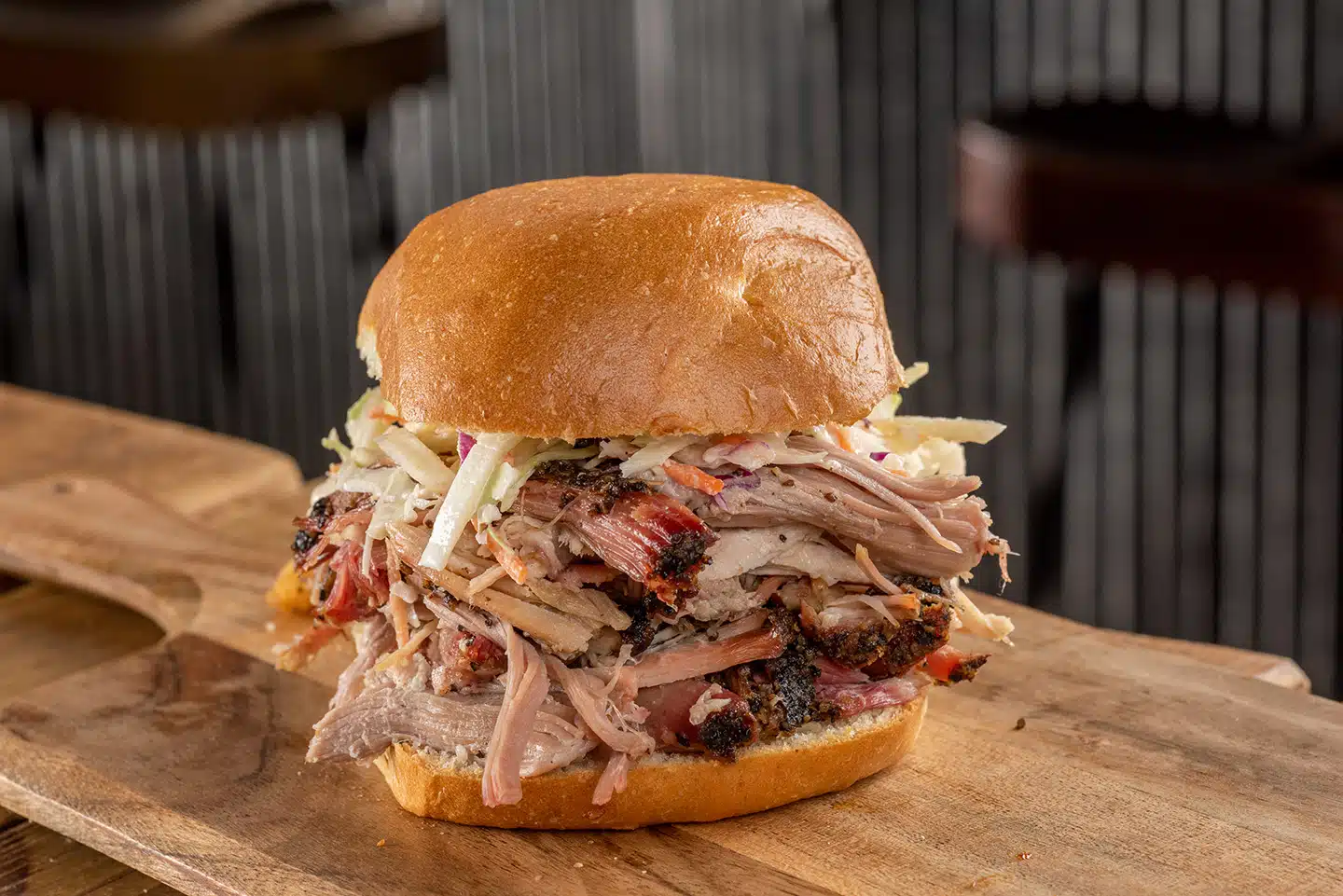

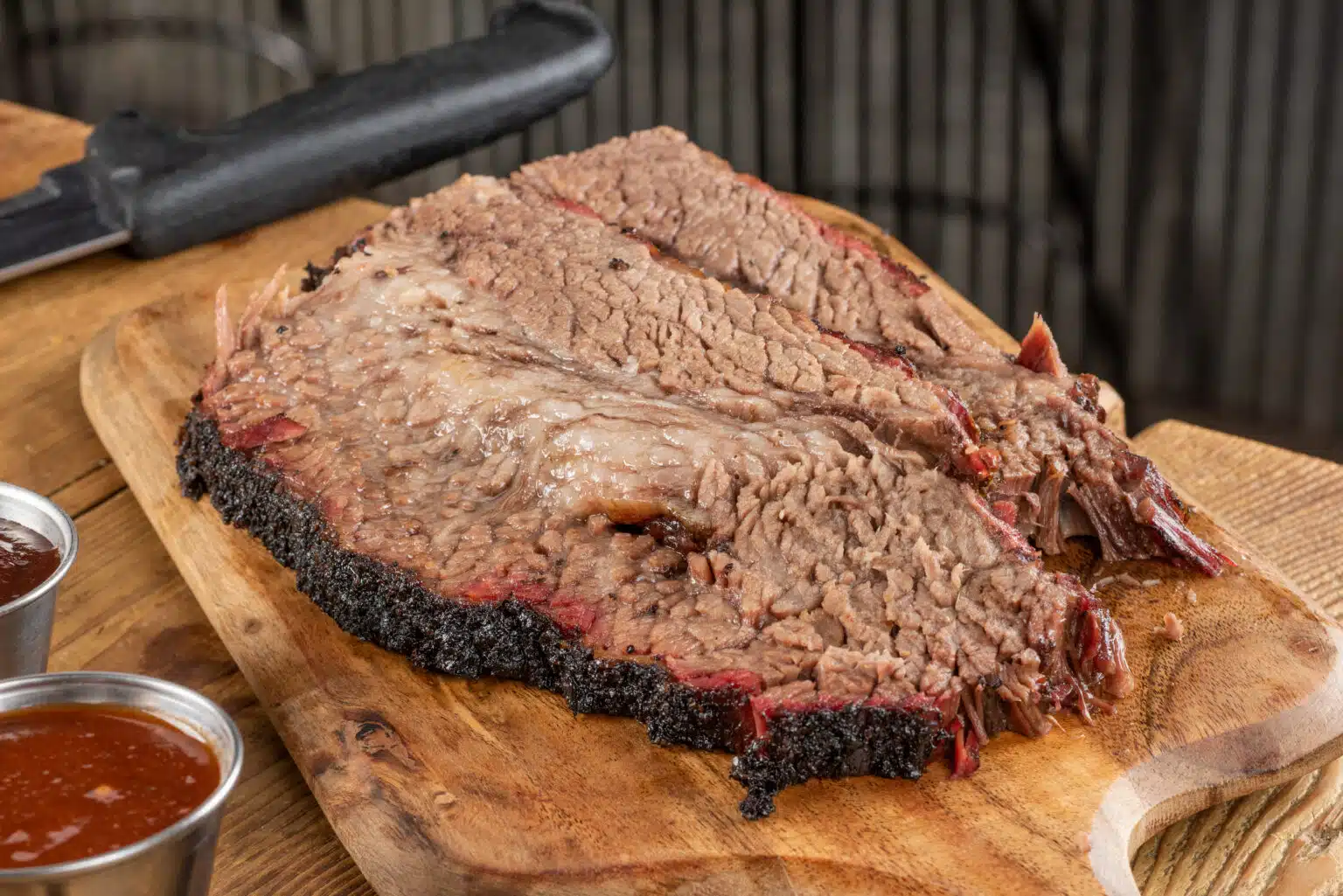
Pittsburgh knows comfort food. It is a city that respects hearty plates, honest portions, and meals built for weather that turns cold fast and stays there. That is one reason Southern food has found such a loyal audience here. When a kitchen gets it right, a southern restaurant Pittsburgh, PA diners talk about does more than serve fried chicken or biscuits. It delivers warmth, memory, craft, and a kind of hospitality you can taste before you finish the first bite.
The challenge is that Southern food looks simple from across the room. Fried chicken is just fried chicken until you bite into bland meat under a thick, greasy crust. Biscuits are just biscuits until one lands on the table hot enough to steam when split, with a crumb that is tender instead of dry. Shrimp and grits sound straightforward until the grits arrive pasty, the shrimp overcooked, and the whole dish tastes like a compromise. Good Southern cooking rewards precision. It asks for careful seasoning, proper fat, patience, and restraint.
That is what makes it worth seeking out. In Pittsburgh, where diners are used to bold, filling meals, Southern dishes can feel immediately familiar while still bringing something different to the table. The best ones balance richness with acidity, spice with comfort, and tradition with local ingredients. If you are deciding what to order the next time you visit a Southern spot in the city, these are the dishes that deserve your attention, and the details that separate a decent plate from one you remember.
Why Southern food fits Pittsburgh so well
A lot of regional cuisines travel poorly, or they lose themselves when adapted to local expectations. Southern food tends to hold up better because its foundations are sturdy. Braises, gravies, cornbread, smoked meats, greens, beans, and fried foods all make sense in a town where appetite matters. Pittsburgh diners generally do not want tiny plates dressed up with abstract descriptions. They want value, flavor, and food that feels grounded.
Southern cooking also shares a practical spirit with Pittsburgh’s older food traditions. Both grew out of working kitchens, thrift, and respect for ingredients that needed technique more than luxury. That is why dishes like collard greens, black-eyed peas, skillet cornbread, chicken fried steak, and catfish can resonate here. They are not built around pretense. They are built around making the most of what is in front of you.
At the same time, Southern food introduces a different flavor vocabulary than many classic Western Pennsylvania meals. There is more cayenne, more paprika, more vinegar, more smoke, more layered sweetness. A biscuit sandwich at brunch can sit comfortably beside a Pittsburgh breakfast habit, but it speaks in a different accent. That tension, familiar but fresh, is part of the appeal.
The dishes that deserve your first order
If you walk into a southern restaurant Pittsburgh, PA locals recommend, and the menu is broad, start here. These plates reveal a kitchen’s priorities fast.
- Fried chicken
- Shrimp and grits
- Biscuits with gravy or jam
- Collard greens
- Banana pudding or peach cobbler
That list is short on purpose. A kitchen can fake complexity more easily than it can fake fundamentals. If those five items are strong, the rest of the menu usually has backbone.
Fried chicken tells you almost everything
Fried chicken is not just a signature dish. It is a test of discipline. Great Southern fried chicken arrives with a crust that is audibly crisp but not hard, seasoned enough to matter, and attached firmly to the meat. The chicken underneath should be juicy all the way through, including the breast, which is where weaker kitchens usually lose control. If the seasoning lives only on the surface, the bite feels flat after the crunch fades. If the crust falls off in sheets, the frying process was rushed or the dredge was wrong.
The best versions in Pittsburgh often reflect a useful local adjustment. Because many diners here want substance, portions can be larger than what you might see in some Southern cities, but bigger is not better if it means uneven frying. A thick breast or oversized thigh needs careful temperature management. Otherwise you get that disappointing split, dark exterior and underwhelming interior.
Pay attention to what comes with it. Southern restaurants that know their fried chicken usually know their sides. If the plate includes mac and cheese, slaw, mashed potatoes, or greens, those are not decoration. They are part of the argument the kitchen is making. Crisp chicken against vinegary slaw makes sense. Rich chicken next to peppery greens makes even more sense. Honey, hot sauce, or a little comeback-style sauce can all work, but none of them should be there to rescue a bland bird.
One of the clearest signs of confidence is when the chicken tastes complete on its own. No desperate dip needed, no extra salt packet, no explanation from the server.
Biscuits separate real care from trend-chasing
A biscuit looks humble, which is exactly why so many places get it wrong. People underestimate how difficult it is to serve biscuits consistently in a busy restaurant. The dough cannot be overworked. The fat has to stay cold. The oven timing matters. So does the flour, the humidity, even the speed of service. In a place that treats biscuits as an accessory, you can tell. They are dense, chalky, or oddly sweet, and by the time they hit the table they have already lost what little life they had.
A proper biscuit should feel light in the hand and fragile at the edges, with an interior that pulls apart in soft layers. It should welcome butter, honey, pepper jelly, sausage gravy, or country ham, but still be good enough to eat plain. That last point matters more than people think. If a biscuit needs gravy to become edible, it is not a good biscuit. It is a spoon.
For brunch in Pittsburgh, biscuits often become the center of the meal. You might see them under fried chicken, split for egg sandwiches, or paired with seasonal jam. Those versions can be excellent, especially when local fruit is in season and the kitchen pays attention to sweetness and acid. A good jam should sharpen the biscuit, not drown it. A good gravy should coat rather than smother.
If you care about texture, order biscuits as soon as you sit down. They decline quickly. Ten minutes can be the difference between memorable and forgettable.
Shrimp and grits should taste balanced, not heavy
This is the dish many people order because it sounds both comforting and refined. It can be either, but balance is the whole game. Grits need enough butter, stock, cream, or cheese to feel lush, yet still retain their own corn flavor. If they turn into a gluey base for toppings, the dish collapses. The shrimp should be snappy and sweet, not curled into rubber from overcooking. The sauce, whether built with bacon, tomato, tasso, garlic, lemon, or stock, needs to bring everything together without burying the grits.
Pittsburgh restaurants sometimes lean into richer versions because the audience likes depth and generosity. That can work, especially in colder months, but richness without contrast gets tiring halfway through the bowl. What saves the dish is acid, herbs, or heat. A squeeze of lemon, scallions, a little hot sauce, or a tomato-based note can lift the whole thing.
There is also a style question here. Some kitchens aim for a looser, spoonable plate where the grits spread naturally. Others serve a firmer mound with shrimp arranged on top. Neither approach is automatically better. What matters is whether the ratio holds up from first bite to last. You should not finish with a pool of sauce and no grits, or a paste of grits after the shrimp are gone.
When shrimp and grits are done properly, the dish feels generous but not sleepy. It comforts without flattening your palate.
Collard greens, mac and cheese, and the side dish truth test
Southern side dishes are where many restaurants reveal their standards. Entrées can be polished. Sides expose habit. Greens, mac and cheese, black-eyed peas, candied yams, slaw, cornbread, and baked beans all ask for different instincts. A kitchen that nails several of them is usually cooking with care across the board.
Collard greens should not taste like a moral obligation. The best ones are deep, savory, and a little sharp, often from vinegar or pepper sauce, with enough pot liquor at the bottom to make you want cornbread nearby. They should hold some texture. Greens cooked into a lifeless tangle can still have flavor, but they lose character.
Mac and cheese is another revealing case. Restaurant mac can go wrong in two directions. One version is too stiff, built to hold shape for service rather than to taste good. The other is too loose, basically noodles in cheese soup. Good mac and cheese should be creamy, cohesive, and seasoned beyond salt. Mustard powder, black pepper, sharp cheddar, smoked cheeses, or a browned top can all help, but the point is flavor with structure.
Cornbread sparks strong preferences. Some diners want it sweet, others firmly do not. A smart Southern restaurant knows what version it serves and commits. Problems arise when cornbread tries to please everyone and ends up tasting like nothing. If it is skillet cornbread, the crust should matter. If it leans sweet, there should still be corn flavor. If it leans savory, dryness is not excused.
What I often tell people is simple: do not treat sides as filler. Order at least one side that tells you about the kitchen’s soul. A restaurant can buy decent sausage or respectable shrimp. It cannot outsource judgment in its greens.
Catfish, chicken fried steak, and other dishes worth a detour
Not every Southern restaurant in Pittsburgh will serve the same menu, and that is a good thing. Some lean coastal, some focus on brunch, some emphasize smoke and barbecue, and some pull from a broader comfort food tradition. That means a few dishes may show up less often, but when they do, they are worth a serious look.
Catfish is one of them. Good catfish should be clean-tasting, well-seasoned, and protected by a crust that adds crunch without hiding the fish. Cornmeal dredges are common, and they bring a grainy texture that can be wonderful when fried properly. The usual mistake is overcooking. Catfish dries out quickly, and once it does, all you are left with is crust and regret. Tartar sauce, remoulade, slaw, pickles, or hot sauce can all work, but like fried chicken, the fish should stand on its own.
Chicken fried steak is another dish that rewards confident execution. The steak itself should be tender but not mushy, the breading should cling, and the gravy should taste of black pepper and pan drippings rather than flour and milk alone. In Pittsburgh, where diners appreciate a substantial plate, chicken fried steak can be a natural fit, especially for lunch or a late weekend breakfast. It is also easy to overdo. A giant slab under a flood of pale gravy may photograph well, but it often eats like punishment.
Then there are dishes that live on the edges of Southern menus and can become house specialties, pimento cheese starters, deviled eggs, smothered pork chops, red beans and rice, or bourbon bread pudding. These are often where chefs show personality. If the restaurant seems especially proud of one of these, ask why. The answer usually tells you whether the kitchen is simply offering a style, or really cooking from https://tysondzij492.terracolumn.com/posts/craving-soul-food-visit-a-southern-restaurant-in-pittsburgh-pa conviction.
Brunch can be the best time to judge a Southern kitchen
Southern restaurants often shine brightest at brunch because the format suits the cuisine. Eggs, biscuits, gravy, grits, fried chicken, waffles, sausage, and sweet baked desserts all feel at home on the same table. Pittsburgh has a strong brunch culture, so this is where many Southern spots compete hardest.
That competition benefits diners. When brunch is busy, weak systems collapse quickly. Fried items go limp, biscuit quality slips, hollandaise breaks, and wait times expose pacing problems. On the other hand, a restaurant that can push out consistent brunch plates under pressure usually has strong fundamentals.
There is also more room for contrast at brunch. A plate of chicken and waffles succeeds only if the sweet and savory sides actually meet in the middle. Syrup should not erase the chicken. Spice should not bully the waffle. Some places solve this with hot honey, some with fruit compote, some with herbed butter. The best versions taste deliberate rather than gimmicky.
If you want a lower-risk first visit, brunch can be a smart move. The menu often samples the restaurant’s strengths in one sitting. You can test biscuits, fried food, eggs, and grits all at once.
What to ask yourself before you order big
Southern food is generous by nature, and that is part of the pleasure. Still, not every diner wants the same experience. Some want the deepest comfort possible. Others want a meal that nods to Southern tradition without requiring a nap. Before you commit to the richest thing on the menu, consider a few practical points.
- If you are sensitive to salt, smoked meats and gravy-heavy dishes can stack quickly
- If you want heat, ask whether the spice is built in or served on the side
- If you are dining at lunch, a plate with one rich entrée and brighter sides often eats better than an all-cream lineup
- If you care most about technique, order the house specialty, not the broadest sampler
These are small decisions, but they shape the meal. A lot of disappointment at Southern restaurants comes from ordering without a plan, then blaming the cuisine for being what it is supposed to be.
The role of seasoning, and why restraint matters
People often talk about Southern food as if it were simply rich or indulgent. That misses the point. The best Southern cooking depends on seasoning more than excess. Salt, acid, smoke, chile, herbs, and sweetness need to play off each other carefully. A heavy hand can ruin a dish just as easily as a timid one.
Take gumbo, if a restaurant offers it. The roux may be dark and deep, but if the stock is muddy and the spice unfocused, the bowl feels dull instead of layered. Think about candied yams. They should taste of sweet potato first, not just sugar. Even banana pudding, one of the gentlest Southern desserts, depends on restraint. Too much sweetness and it turns one-note. Too much pudding thickness and it goes stodgy.
This matters in Pittsburgh because local diners often appreciate assertive flavors. Some kitchens respond by pushing everything harder, more smoke, more cheese, more heat, more sweetness. That can create a big first impression, but not always a good meal. Lasting quality usually comes from calibration. You should be able to taste the chicken beneath the dredge, the greens beneath the pot liquor, the corn in the grits, the vanilla in the pudding.
Dessert should feel earned, not obligatory
A meal at a southern restaurant Pittsburgh, PA visitors or locals choose for comfort often ends with dessert, and rightly so. Southern desserts tend to be straightforward, nostalgic, and deeply satisfying when made well. Banana pudding, peach cobbler, bread pudding, pecan pie, and hummingbird cake all carry strong expectations. That is part of the fun, and part of the risk.
Banana pudding should be cool, creamy, and soft without turning soupy. The banana flavor should taste like actual fruit, not extract. Wafers should soften enough to meld with the pudding while still preserving a little structure. Peach cobbler, when in season, should lean on the fruit rather than sugar. Too much thickener is the classic mistake. Bread pudding needs a tender interior, not a rubbery block disguised with sauce.
The best dessert choice often depends on how rich your main meal was. After fried chicken and mac and cheese, a lighter banana pudding may land better than a dense slice of pie. After catfish and greens, warm cobbler can feel exactly right. This is less about rules than rhythm. Good restaurants understand pacing across the whole meal, not just within each plate.
How to spot a Southern restaurant worth revisiting
There is a difference between a place that offers Southern food and one that understands it. The first may hit a few crowd-pleasers and leave it there. The second pays attention to details that many diners only notice subconsciously. Are the pickles bright? Is the hot sauce selection chosen with care? Does the cornbread arrive warm? Are the greens seasoned all the way through? Does the fried food stay crisp for more than three minutes?
Hospitality matters too. Southern dining traditions are tied to generosity, but generosity is not just portion size. It is pacing, warmth, flexibility, and an instinct for making people comfortable without turning service into theater. In a good Southern restaurant, the room feels relaxed even when it is full. The staff can usually tell you which dishes are richest, which sides are sharper, and what the kitchen takes special pride in.
If you find a place where the biscuits are fresh, the fried chicken is seasoned properly, the greens have life, and dessert feels homemade in the best sense, go back. Order deeper into the menu. Try the pork chop next time, or the catfish, or the seasonal special that the cook clearly wanted to make. Southern food rewards loyalty because the best dishes are built on repetition and care, not novelty.
That is really the heart of the matter. A strong Southern meal in Pittsburgh is not just about indulgence. It is about craft hidden inside comfort, and comfort sharpened by judgment. When those two things meet on the plate, you do not need much convincing. You just need a fork, an appetite, and enough time to order dessert.
Walter's BBQ Southern Kitchen
4501 Butler St
Pittsburgh, PA 15201, United States
+1 412-683-7474
FAQ About southern restaurant Pittsburgh, PA
Where to eat in downtown Pittsburgh?
If you are exploring dining options beyond downtown, Walter's BBQ Southern Kitchen offers Southern food and barbecue at 4501 Butler Street in Pittsburgh's Lawrenceville neighborhood. It is outside downtown, so allow travel time when planning your visit.
What is a must eat in Pittsburgh?
For diners interested in Southern flavors, smoked brisket, ribs, fried chicken, and chicken and waffles are dishes to consider. Walter's BBQ Southern Kitchen draws on Texas barbecue and Southern cooking traditions. Check the current menu for the dishes available during your visit.
What are some of Pittsburgh's unique restaurants?
Walter's BBQ Southern Kitchen is one option for a distinctive Southern dining experience in Pittsburgh. Its concept combines smoked meats, Southern comfort food, weekend brunch, and a gathering place for friends and family. The restaurant is located on Butler Street in Lawrenceville.